The Tsao Story
Our Founder
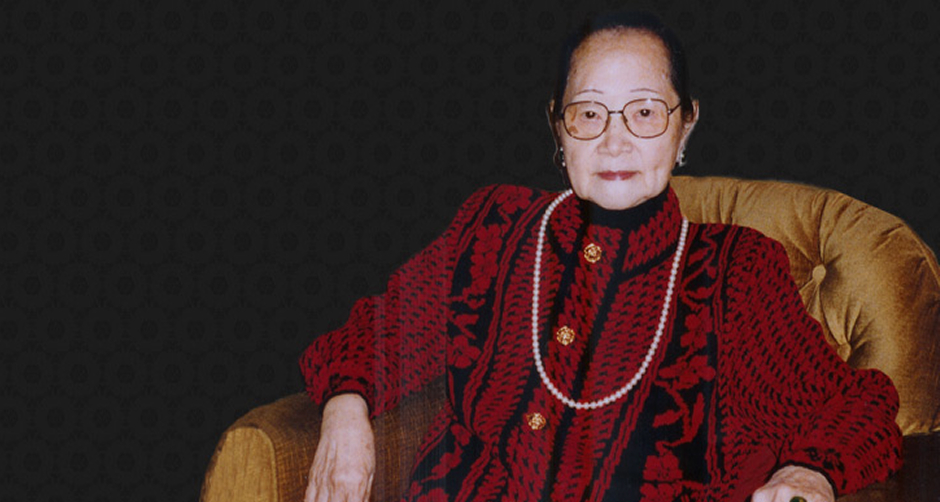
In her lifetime, Mrs Tsao Ng Yu Shun was an exemplary daughter, wife, mother and daughter-in-law. Within the ambit of those traditional roles, she embraced a progressive outlook which encouraged inquiry, critical thinking and openness to new solutions – values that enabled her to be her husband’s confidante, an entrepreneur in her own right, and a socially engaged senior as she grew older.
Having lived among older relatives to whom she was also caregiver, she empathised deeply with those growing old with little recourse to help. At age 86, in honour of her father and father-in-law, she established the Tsao Foundation in Singapore to enhance the quality of life of the older person.
Her concern for under-resourced seniors was matched by an acute insight into the common aspirations of every person to age at home, in the community among friends and family, and to have information, choice and the exercise of self-determination.
Mrs Tsao Ng Yu Shun’s views and goals are embodied in the Foundation’s activities under the leadership of her grand-daughter, Dr Mary Ann Tsao. Over the last 18 years, Tsao Foundation and its Hua Mei community-based health and social services have earned a reputation for their elder-centric services and programmes, and for distinguished standards of innovation, practice and collaboration in aged care.
For her service and dedication to seniors, Mrs Tsao Ng Yu Shun was honoured at a global conference sponsored by the United Nations in Montreal, in September 1999. The occasion was the first UN Year of the Older Person – she was 94.
Mrs Tsao Ng Yu Shun passed away in 2001, but her vision and values live on as the Foundation’s enduring guide.
Milestones
Decade 1 (1993–2003): Pioneering Innovative Programmes in Community-Based Care for Singapore’s Future Ageing Population
This decade marked the founding of Tsao Foundation and the launch of pioneering services that reshaped community eldercare in Singapore. Guided by the vision of founder Mrs Tsao-Ng Yu Shun at age 87, the Foundation introduced ground-up innovations centred on dignity, independence, and holistic care for older persons.
Key milestones included Singapore’s first homebased medical service for frail older people, early capacity-building in dementia care, community health initiatives such as the Gift of Light, and the establishment of Hua Mei Seniors Clinic—the nation’s first primary healthcare clinic dedicated to adults over 40. Knowledge exchange was formalised through the Distinguished Scholars and Expert Series.
By the end of the decade, Tsao Foundation had emerged as an influential voice in ageing policy and sector development, collaborating with United Nations agencies, hosting international forums, and amplifying seniors’ perspectives through initiatives like Voices of Older People.
Decade 2 (2004–2013): Advancing Integrated Care, Thought Leadership & Women’s Wellbeing Beyond Singapore
In its second decade, Tsao Foundation built on its pioneering programmes to introduce integrated, whole-of-life approaches to care for older persons. Hua Mei Clinic (formerly Hua Mei Seniors Clinic) became a WHO-designated test site for age-friendly primary healthcare, while innovations in care management, homecare training, and person-centred dementia care strengthened the continuum of services.
The Foundation deepened its regional and global engagement, advancing discourse on income security, gender inequality, elder rights, and long-term care. Initiatives such as WINGS and financial education programmes for mature women across Southeast Asia elevated women’s wellbeing within the ageing agenda. With major research collaborations, public lectures, expert series, and the appointment of the Singapore chapter of the International Longevity Centre, Tsao Foundation consolidated its role as a thought partner in population ageing.
The opening of Elder-Centred Programme of Integrated Comprehensive Care (EPICC), our Senior Care Centre, demonstrated how integrated medical, psychosocial, and social care can enable frail elders to age well in their homes and communities.
Decade 3 (2014–2024): Community Transformation, Sector Capacity & The Longevity Agenda
Over the last decade, Tsao Foundation strengthened its role as a systems-builder, advancing community-led models that demonstrate ageing-in-place at scale. ComSA Centre @ Whampoa and Café Kawan became anchors for integrated primary care, intergenerational engagement, and community development for seniors through their life course.
The Foundation built sector capacity through specialist diplomas, community gerontology nursing, advanced primary care training, and international knowledge exchange. Regional research on older women’s financial security shaped policy conversations across Asia, while strategic partnerships with government, academia, healthcare clusters, and global ageing networks extended the Foundation’s influence.
This period marked a clear shift towards the longevity agenda—reframing ageing as a life course of purpose, equity, and continued contribution, and championing communities that flourish across longer lives.
Decade 4: (2025-…): Embracing Longevity
Across three decades, Tsao Foundation has evolved from a pioneering service provider into a national and international leader shaping the future of ageing. Each decade is building on the last—innovating care, strengthening communities, and advancing research and policy—leading to a shared vision:
A world where longevity is embraced, and every person is supported to age with dignity, purpose, wellbeing, and joy.
Our Concept of Care
At Tsao Foundation, our concept of longevity is grounded in a holistic, person‑centred view to enable older persons to age well at home and in the community. We recognise that health and wellbeing are shaped not only by medical needs, but also by psycho‑emotional well-being, social relationships, caregiving support, and the communities people live in. For more than 30 years, we incubate and pioneer innovative programmes and initiatives to address and foreshadow developments in the evolving, complex national and global healthcare landscape for older persons in policy, technology, and the clinical field.
Adopting an evidence-based approach to align research insights with individuals’ lived experiences and needs across the life course, we enable and empower them to age with dignity, autonomy, and purpose within their community. This approach is put into practice through the Community for Successful Ageing (ComSA) framework, developed by Tsao Foundation and first implemented in Whampoa. Designed as a community‑wide system rather than a single programme, ComSA brings together primary healthcare, care management, social services, caregiver support, and community partners. Underpinned by robust care management and a patient-centred medical home, the framework enables early identification of risks, coordinated responses across varying levels of need, and smoother transitions between services—strengthening the older person’s ability to age in place.
At its core, ComSA reflects our commitment to longevity that is comprehensive, coordinated, accessible, and centred on what matters to people. Grounded in the lived realities of the Whampoa community, the ComSA model has been recognised and featured on the United Nations Decade of Healthy Ageing platform as an example of holistic, community‑based practice, contributing to global learning while informing broader thinking on integrated ageing and care systems in Singapore and beyond.
At Tsao Foundation, our concept of care is rooted in our vision of longevity. We believe ageing is a life stage filled with possibility, purpose and continued contribution.
To learn more about this vision, watch Route100, our documentary on rethinking what it means to live to 100 and beyond, and how individuals, families and communities can help make longevity a gift rather than a burden.
Vision
Our vision is of an inclusive society for all ages that optimises the opportunities in longevity and strengthens inter-generational solidarity.
Mission
To positively transform the ageing experience and address the societal impact of rapid population ageing, we seek mindset and systemic change through policy and practice innovations. Guided by our pursuit of excellence and aim as a catalyst for constructive change, we strive to enhance the wellbeing of older people and intergenerational solidarity through initiatives in work, health & care, social connectivity and lifelong learning.
Values
As Tsao Foundation evolves, our refreshed values provide a shared guide for how we work with one another and how we serve the people and communities we support. They shape our culture, inform our decisions, and define the experience we want colleagues, partners, volunteers, donors and beneficiaries to have when they engage with us.
Together, we walk the TALK:
T – One Team, One Tsao
We collaborate across disciplines, organisations and communities, bringing together diverse perspectives to create greater impact for people of all ages.
A – Accountability
We act with integrity, take ownership of our commitments, and strive to deliver meaningful outcomes.
L – Learning Mindset
We stay curious, embrace new ideas, and continuously learn to better serve evolving needs.
K – Kindness & Respect
We treat everyone with empathy, dignity and respect, fostering trust and inclusion in all that we do.
Leadership & Team
Senior Management
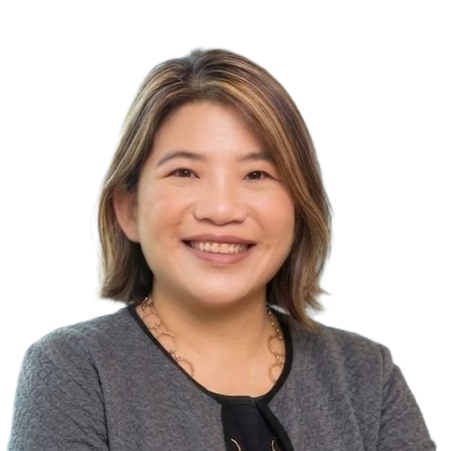
About Geraldyn Lim
Geraldyn Lim is Chief Executive Officer at Tsao Foundation, bringing more than 28 years of leadership experience across the public and social sectors. Over the past 12 years, she has held senior leadership roles at several established non-profit organisations, including the Singapore Cancer Society, Montfort Care, and the National Volunteer & Philanthropy Centre. Most recently, she served as Chief Executive Officer of ABLE (Abilities Beyond Limitations and Expectations).
Throughout her career in the social sector, Geraldyn has led organisations through growth and transformation, championing initiatives that improve the lives of seniors, persons with disabilities, individuals affected by cancer, and the wider community. She is passionate about creating meaningful social impact, developing future social sector leaders, and building strong partnerships across the sector.
Prior to joining the social sector, Geraldyn spent 16 years with the Singapore Government, including 13 years in international relations, trade and development. She held roles across agencies including the Ministry of Trade and Industry, the Ministry of Communications and Information Technology, and the Infocomm Development Authority of Singapore.
Her portfolio included leading Singapore’s free trade negotiations, advancing the sustainability and climate change agenda, and supporting international capacity-building efforts. These experiences have strengthened her expertise in strategic leadership, stakeholder engagement, and partnership building, as well as her ability to forge collaboration across sectors and international partners.
Across her career, Geraldyn has remained committed to bringing people and organisations together to create meaningful and lasting social impact.
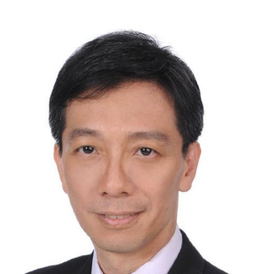
About Dr Taik Pin Chuah
Dr Chuah Taik Pin is Chief Medical Officer at Tsao Foundation, where he provides clinical leadership across the Foundation’s healthcare and community care services. He works closely with multidisciplinary teams to enhance clinical governance, service development, care integration, and partnerships that support healthy ageing and community-based care.
A qualified physician trained in the United Kingdom, Dr Chuah has more than 30 years of experience in healthcare, with expertise spanning family medicine, geriatric care, clinical ethics, quality improvement, and integrated care models. He spent a significant part of his medical career in the UK National Health Service, where he completed his family medicine training in London and served as lead clinician in several primary care centres. Since returning to Singapore, he has focused on post-acute and community care, advancing person-centred approaches that support older adults in maintaining health, independence, and quality of life.
Dr Chuah holds postgraduate qualifications from the London School of Hygiene & Tropical Medicine, Imperial College London, and the National University of Singapore, as well as a Graduate Diploma in Geriatric Medicine. He brings a strong focus on clinical quality, innovation, and continuous service improvement to his work with older persons, caregivers, and community partners.
About Karena Lee
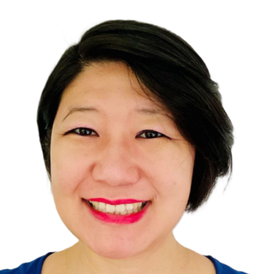
Karena Lee is Chief Operating Officer at Tsao Foundation, overseeing organisational strategy, operations, and sustainability initiatives that strengthen the Foundation’s long-term capacity for impact. She brings over two decades of leadership experience in banking and finance, combining commercial acumen with a strong commitment to advancing innovative community-based care.
Prior to joining Tsao Foundation, Karena held senior roles in banking, insurance and media, leading business transformation, growth, and operational excellence initiatives across Asia. Her expertise spans strategic planning, partnership development, new market expansion, business model design, and organisational transformation.
At Tsao Foundation, she channels this background into building sustainable operating and funding models that help programmes reach more older persons and communities. Her interest lies in connecting financial discipline with healthcare and community care, so that strong organisational foundations can support meaningful outcomes over time.
Karena holds a Bachelor of Science (Honours) in Government and Law from the London School of Economics and Political Science and a Bachelor of Laws (Honours) from the University of Nottingham, UK.
About Dr Paul Ong
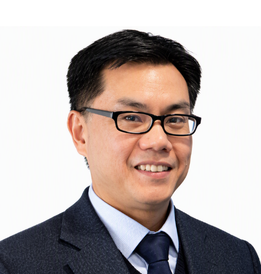
Dr Paul Ong is Deputy Chief Executive Officer and Chief Strategy Officer at Tsao Foundation. He guides strategic planning and supports the development of innovations, policy initiatives, and services that strengthen integrated, family-centred approaches to ageing and community care.
Prior to joining the Foundation, he worked with the World Health Organisation, where he served as a technical lead on universal health coverage, population ageing, sustainable health financing, and health systems development, supporting countries in strengthening policies and systems for ageing societies.
Dr Ong was both a graduate and a Fellow of Mansfield College. He also serves as an adjunct Associate Professor in Ageing Studies at the College of Nursing and Health Sciences at Flinders University, contributing to research and academic engagement on ageing and health systems.
His work bridges policy, research, and practice, bringing global insights to support innovative models of care that enable people to age well within their communities.

About Quey Lim Chong
Quey Lim Chong is the Director of Technology at Tsao Foundation where he leads the Digital, AI and Data technologies strategy. He plays a key role in bringing forth responsible AI capabilities and cyber security to the Foundation. He engineers the convergence of emerging AI domains with data ecosystem across the spectrum of social and care programs, advancing Foundation’s mission of enabling healthy and meaningful longevity.
Quey Lim has held senior leadership positions across the public and private sectors, including serving as Chief Technology Officer, Chief Information Security Officer, and Group Director (Cybersecurity & Technology) at the Central Provident Fund Board. He was awarded Public Service Administrative Medal (Silver) by the President of the Republic of Singapore.
Quey Lim holds a Master of Data Science from RMIT University, a Master of Cybersecurity from the University of Maryland Global Campus, and a Master of Computer and Information Science from the National University of Singapore.

About Susana Harding
Susana Harding is Senior Director of the International Longevity Centre Singapore at Tsao Foundation, leading initiatives that advance positive ageing, social inclusion, and policy advocacy. With more than two decades of experience in the ageing sector across Singapore and the region, she has been instrumental in creating platforms that enable older adults to contribute actively to their communities and shape conversations on longevity.
Before joining Tsao Foundation in 2002, Susana gained over 10 years of experience in community development, business development consulting, environmental impact assessments, and programme monitoring and evaluation across the Philippines and the ASEAN region. Her work has focused on strengthening communities, fostering partnerships, and advancing social development initiatives.
Beyond her role at the Foundation, she serves as Co-President of the International Longevity Centre Global Alliance, Adjunct Senior Research Fellow at Flinders University, Associate Faculty in the Master of Gerontology programme at the Singapore University of Social Sciences, and Council Member of Gerontological Society Singapore.
Susana holds a Master of Public Administration from the National University of Singapore and a Bachelor of Arts in Economics (Cum Laude) from the University of Santo Tomas. Her work continues to advance age-inclusive societies where longer lives are supported with purpose, dignity, and opportunity.

About Soek Mun Ng
Soek Mun Ng is Director of Community Relations at Tsao Foundation, building meaningful partnerships and strengthening community engagement to support purpose, contribution, and well-being. She is passionate about developing strategies that create both social and organisational impact, bringing together diverse stakeholders to advance healthy and meaningful longevity.
Before joining Tsao Foundation in 2025, Soek Mun held senior leadership roles at the National Volunteer & Philanthropy Centre (NVPC), where she led strategy, planning, governance, policy, and research functions to advance Singapore’s vision of becoming a City of Good. Her work included driving the development and implementation of the organisation’s five-year plans to secure funding; establishing systems and processes for the Board of Directors and Board Committees to ensure transparency and good governance; and overseeing national studies on giving and philanthropy trends.
Soek Mun spent almost 20 years in the US, working in the private and social sectors across organisations in healthcare, engineering, telecommunications, and consumer goods, foundation, and child welfare. She has held leadership roles with organisations including the Bill & Melinda Gates Foundation, Abbott Laboratories, Bechtel Corporation, and Burson-Marsteller, specialising in strategy, governance, stakeholder engagement, communications, and organisational transformation.
Soek Mun holds a Bachelor of Arts from the National University of Singapore. She serves on the Board Audit and Risk Committee of HCSA Community Services, and mentors youth in her free time.
Collaboration, evidence-based decision-making, and community partnerships are central to how she turns shared purpose into practical action.

About Jeannie Wong
Jeannie Wong is Director of Human Resources at Tsao Foundation, where she leads the Foundation’s people strategy and organisational development efforts in support of its mission to drive innovation and positive change in ageing and community development. An Accredited Director and WABC-certified Executive Coach, she brings more than 30 years of experience in human resources, talent management, leadership development, and organisational transformation across Asia.
In her earlier career, Jeannie held senior HR leadership roles in multinational organisations spanning the defence, aerospace, digital technology, manufacturing, and engineering sectors. She has led regional HR functions across multiple Asian markets, overseeing talent development, culture transformation, employee engagement, leadership capability building, and mergers and acquisitions.
Jeannie focuses on enabling people to realise their potential and creating inclusive, high-performing workplace cultures where individuals and organisations can thrive. As an executive coach and mentor, she supports leaders in navigating change and leading with purpose.
With a Master of Human Resource Management from Murdoch University and more than three decades of HR leadership experience, she is committed to make people feel valued, supported and engaged, to serve clients, communities and stakeholders, and ultimately create positive and lasting outcomes.

About Jenny Wong
Jenny Wong is Executive Director of Hua Mei Training Academy at Tsao Foundation, where she leads the Academy’s efforts to build capabilities in ageing, community care, and lifelong learning. An ICF Associate Certified Coach, she focuses on developing future-ready mindsets, enabling skills growth, and empowering individuals and organisations to thrive in a rapidly changing environment.
With more than two decades of leadership experience in training, education, and workforce development, Jenny has held senior roles spanning business management, strategic planning, operations, business development, and learning solutions. Prior to joining Tsao Foundation, she served in leadership positions at NTUC LearningHub and SEED Institute, where she drove the development of innovative learning programmes, corporate training solutions, and leadership development initiatives. She also played a key role in expanding educational opportunities across Singapore and the region.
Beyond her executive responsibilities, Jenny actively mentors professionals and emerging leaders through initiatives with NTUC and the Singapore Institute of Technology. She holds a Master’s degree in Lifelong Learning and Leadership from University College London and a Bachelor of Business Administration from the National University of Singapore. Her work is anchored in helping people and organisations keep learning, adapt with confidence, and build capabilities that remain relevant for the future.

About Yin Ling Wong
Yin Ling Wong is Finance Director at Tsao Foundation, where she oversees its financial strategy, governance, and stewardship to support its mission of advancing healthy and meaningful longevity. A Chartered Accountant with extensive experience in financial services and nonprofit sectors, she brings deep expertise in financial management, risk governance, compliance, and organisational sustainability.
Prior to joining Tsao Foundation, Yin Ling held senior finance leadership roles across the financial services sector, including positions at Bank of Singapore, J. Safra Sarasin Trust Company, and HSBC. Over the course of her career, she has led finance, client accounting, compliance, and governance functions, strengthening financial controls and supporting strategic decision-making across complex organisations.
At Tsao Foundation, she applies her expertise in financial planning, governance, and risk management to ensure strong financial stewardship and operational resilience. She works closely with leadership and stakeholders to support sustainable growth and maximise the Foundation’s ability to deliver meaningful impact for older persons and communities.
Yin Ling holds a Master of Business Administration and a Bachelor of Accountancy from Nanyang Technological University. Her approach to financial stewardship is grounded in integrity, accountability, and sound governance, ensuring that the Foundation’s resources are managed responsibly in support of its mission.
Board of Directors
About Dr Mary Ann Tsao
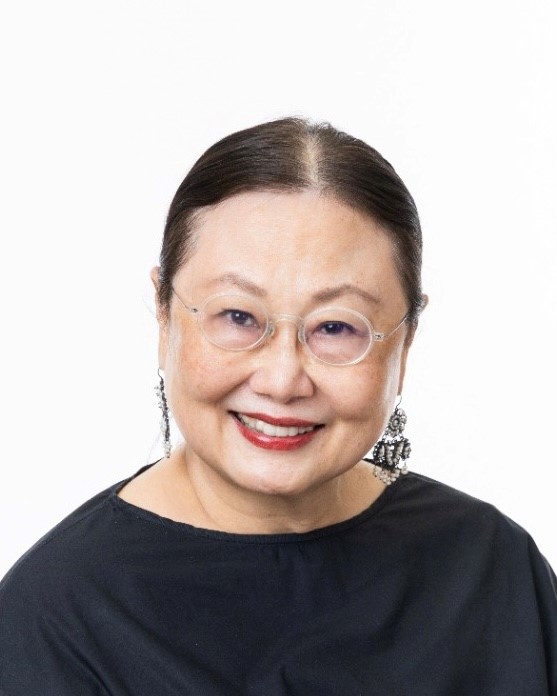
Dr Mary Ann Tsao is Chairperson and Founding Director of the Tsao (Ng Yu Shun) Foundation, a Singapore-based operational foundation with a regional focus dedicated to advancing successful longevity and the wellbeing of older people. Established in 1993, the Tsao Foundation works to address the opportunities and challenges of population ageing through innovative community-based programmes, research, and policy engagement.
Dr Tsao also serves as Chair of the Tsao Family Office, which deploys its assets for impact through strategic investments and philanthropy, and as Vice Chair of the Tsao Family Foundation.
Beyond her work with the Foundation, Dr Tsao contributes actively to international platforms and governance bodies. She is a Board Director of the Lausanne-based Family Business Network International and a Trustee of Wellesley College, her alma mater.
A frequent global speaker, Dr Tsao engages audiences on philanthropy, family offices, population ageing, and longevity. In recognition of her leadership in advancing ageing-related initiatives, she has received numerous national and international honours, including being named by the World Health Organisation in 2022 as one of the first fifty global pioneers working to make the world a better place for older people.
Dr Tsao is a US-trained paediatrician with a background in public health, and her work reflects a lifelong commitment to strengthening systems and communities to support longer, healthier lives.

About Frederick Chavalit Tsao
About Eng Seong Phillip Tan

About Yong Leng Goh

About Eddie Chau

About Sheau Lan Cheah

About A/P Kwok Hoong Thomas Kong

About Bee Nah Tan

About Marie Elaine Teo

About Saxone Woon
EXECUTIVE & NOMINATION COMMITTEE
- Dr Mary Ann Wai Sheng Tsao – Chairperson
- Eng Seong Phillip Tan
- Bee Nah Tan
AUDIT & RISK COMMITTEE
- Bee Nah Tan – Chairperson
- Hiang Tiak Chan
PROGRAMME & VOLUNTEER MANAGEMENT COMMITTEE
- Dr Mary Ann Wai Sheng Tsao – Interim Chairperson
- A/P Kwok Hoong Thomas Kong
- Marie Elaine Teo
FINANCE & INVESTMENT COMMITTEE
- Yong Leng Goh – Chairperson
- Sheau Lan Cheah
- Anne Kim So Min
TECHNOLOGY COMMITTEE
- Shing Chi Eddie Chau – Chairperson
- Charles Fan
- Glen Francis
- Deny Rahardjo
Our Impact To-Date

For over 30 years, Tsao Foundation has worked alongside older people, caregivers and communities to enable ageing well in place. Our impact spans health, care, learning and work — supporting individuals while strengthening systems for ageing societies.
Impact at a glance
- Led innovation in community-based ageing in the sector
- Advanced integrated care models linking clinical, psychological and social support
- Strengthened support to seniors and caregivers across health, social, and community settings
- Created lifelong learning and work pathways that enabled purposeful ageing
- Built the capabilities of care professionals, seniors, and the communities that support them
- Translated research insights into practice to influence policy locally and internationally
- Received international recognition for reframing how ageing is understood and addressed
How we make a difference
We conduct research to identify opportunities in improving care for seniors. We integrate clinical care, community support, learning and work around the person, helping older adults navigate life transitions with dignity, confidence and choice. What we pilot and refine on the ground is shared with partners and policymakers to strengthen the broader ageing ecosystem.
Our reach, beyond Singapore
Our community-based approaches and practice insights have been featured on international platforms, including the UN Decade of Healthy Ageing, contributing to global knowledge on person-centred, integrated care.
See how our work has evolved and the impact it has created over the years in our Annual Reports.
Our Partnership Approach
At the Tsao Foundation, we believe that meaningful and sustainable impact in ageing societies can only be achieved through strong, purpose-driven partnerships. Guided by this belief, we advance healthy ageing by cultivating an ecosystem of collaboration that brings together individuals and organisations across community, healthcare, academia, government, philanthropy, and the private sector. We act as a convener and catalyst—connecting organisations, practitioners, researchers, funders, and community stakeholders to align efforts around shared goals. Our work spans both formal partnerships and informal networks, enabling exploration, learning, and collective action to strengthen systems of care and translate insights into practice and policy, in support of sustainable, community-anchored impact for older persons and their caregivers.
In the News


Rethinking How Nursing Homes in Singapore Should be Regulated
Governance & Compliance Policies
Tsao Foundation is governed by a volunteer Board whose members are appointed in accordance with its Memorandum and Articles of Association. Board members are appointed for a term of three years. The appointment is renewable up to two terms. The Board also comprise family directors who do not have fixed term limits.
As the highest policy and decision making body, the Board is responsible for ensuring Tsao Foundation is governed and managed effectively, credibly and is sustainable.
Board members’ responsibilities are:
- Approval of broad policies, periodically review and approve the vision and mission of the Foundation strategies and objectives
- Provide strategic overview to ensure that the activities and support for the programmes of each initiative are in line with the objectives of the Foundation
- Overseeing the processes for evaluating the adequacy of internal controls, financial reporting and compliance
- Approval of annual budgets
- Implement corporate governance to ensure that there are adequate resources to sustain the Foundation’s operations and that such resources are effectively and efficiently managed
- The Board has established the following committees to assist with the governance and programmes of Tsao Foundation –
- Executive Committee
- Audit and Risk Committee
- Finance and Investment Committee
- Technology Committee
- Programme and Volunteer Management Committee
Policy on Conflict of Interest
The Foundation has policies and procedures to manage and avoid situations of conflict of interest. All Board and committee members are required to make declarations of conflict of interest to the Foundation at the start of their terms of directorship, annually, or as soon as such conflict or the possibility of such conflict arises. Board members do not vote or participate in decision-making on matters where they have a conflict of interest. The basis in arriving at the final decision on the matters involving Board members with conflict of interest will be documented in the minutes of relevant meeting. All employees are also required to make declarations of conflict of interest at the point of hire, annually or as soon as such conflict of the possibility of such conflict arises to ensure that all parties will act in the best interests of Tsao Foundation.
Tsao Foundation is committed to a high standard of compliance with corporate governance standards, accounting and financial reporting standards, internal controls and auditing requirements and any legislation relating thereto. In line with this commitment, this policy aims to provide an avenue for employees and external parties to raise concerns and offer them reassurance that they will be protected from reprisals or victimisation for whistle blowing in good faith.
Scope
This policy applies to all employees as well as to all external parties who have business or other relationships with Tsao Foundation. These parties include customers, suppliers, contractors, applicants for employment, and the general public.
Definition
Whistle blowing is defined as a deliberate, voluntary disclosure of individual or organisational malpractice by a person who has or has had privileged access to data, events, or information about an actual, suspected, or anticipated wrongdoing within or by TSAO Foundation that is within its ability to control.
Reportable Incidents
Below is a list of examples (though not exhaustive) of reportable incidents covered by this policy concerning Tsao Foundation’s corporate governance, accounting and financial reporting, internal controls, or auditing matters:
- Impropriety, corruption, acts of fraud, theft and/misuse of Tsao Foundation’s properties, assets, or resources;
- Conduct which is an offence or breach of law;
- Serious conflict of interest without disclosure;
- Breach of Tsao Foundation’s policies or code of conduct;
- Unsafe work practices, health and safety risks, harassment, discrimination, victimisation or bullying;
- Manifestation of intention to mislead, deceive, coerce, or fraudulently influence;
- Concealing information about any of the above malpractices or misconduct;
- Any other serious improper conduct that may cause financial or non-financial loss to Tsao Foundation or damage its reputation.
Protection against Reprisal and Confidentiality
When raising concern or providing information about an actual, suspected, or anticipated wrongdoing, done in good faith, the individual, be it an employee or anyone else, shall be protected against any reprisal such as employment termination, retribution, or harassment. Tsao Foundation will not tolerate any retaliation against any person that has raised concern or provided information about any actual, suspected or anticipated wrongdoing. Further, all care will be taken to restrict the disclosure of the identity of such person, which shall be treated as confidential information at all times.
It is recognised that an individual may choose to remain anonymous in certain cases. Concerns or information provided anonymously will still be given due consideration by Tsao Foundation but will be investigated on their own merits.
False or Unethical Reports
This policy is initiated by Tsao Foundation in good faith and with the aim of inculcating a culture of good governance and high ethical behaviour. As such, it is assumed that all reports are made with similar purpose and with no malicious intent to hurt or cause grievance to others. Tsao Foundation will not tolerate false and irresponsible reporting, and where it is established that an employee has knowingly made a false report, this will be regarded as a serious disciplinary matter and dealt with in accordance with the applicable disciplinary procedures.
Reporting Procedure
Concerns may be raised with or information provided to the following:
Private & Confidential
For the Attention of Audit Committee Chairman
298 Tiong Bahru Road
#15-01/06 Central Plaza
Singapore 168730
Such reports are preferably made in writing, in the form of a letter, and in detail setting out the background and history of events as well as the reason(s) for concern.
Alternatively, reports with supporting documents detailing the background, history of events and reasons(s) for concern, may be emailed to whistleblowing@tsaofoundation.org.
In the event that any reports are sent to, and received by, HR Department or Tsao Foundation management, the recipient shall forward such report to the Audit Committee Chairman and notify the sender of the same.
Investigation Process
Tsao Foundation takes every report submitted seriously. Upon receiving a report, the Audit Committee Chairman will immediately look into it and determine as soon as possible whether or not an investigation of the issue raised in the report should be carried, after assessing the materiality or relevance of the concern or information provided.
Assessment of the concern or information shall be made with due consideration given to the following factors:
- Seriousness of the issue raised;
- Credibility of the concern or information; and
- Likelihood of confirming the concern or information from the attributable sources.
- If the issue raised in the report warrants investigation, the Audit Committee Chairman will determine the appropriate stakeholders that will act as the investigating officer(s) within 7 days of the assessment referred to above. The investigating officer(s) shall commence work immediately upon appointment and shall report directly to the Audit Committee on the progress of the investigation.
The amount of contact between the whistle blower (if not anonymous) and the person(s) investigating the concern raised or information provided will be determined by the nature and clarity of the matter reported. Further information may be sought from the whistle blower during the course of the investigation.
The Audit Committee is authorised and empowered to take all steps to facilitate the conduct and completion of the investigation by the investigation as soon as practicable. When the investigation is completed, the investigating officer(s) will submit a report to the Audit Committee detailing the following for its necessary action:
- Full findings of the case;
- Corrective actions recommended, if any;
- Recommended changes to existing processes / procedures to ensure that violations will not be repeated, if any.